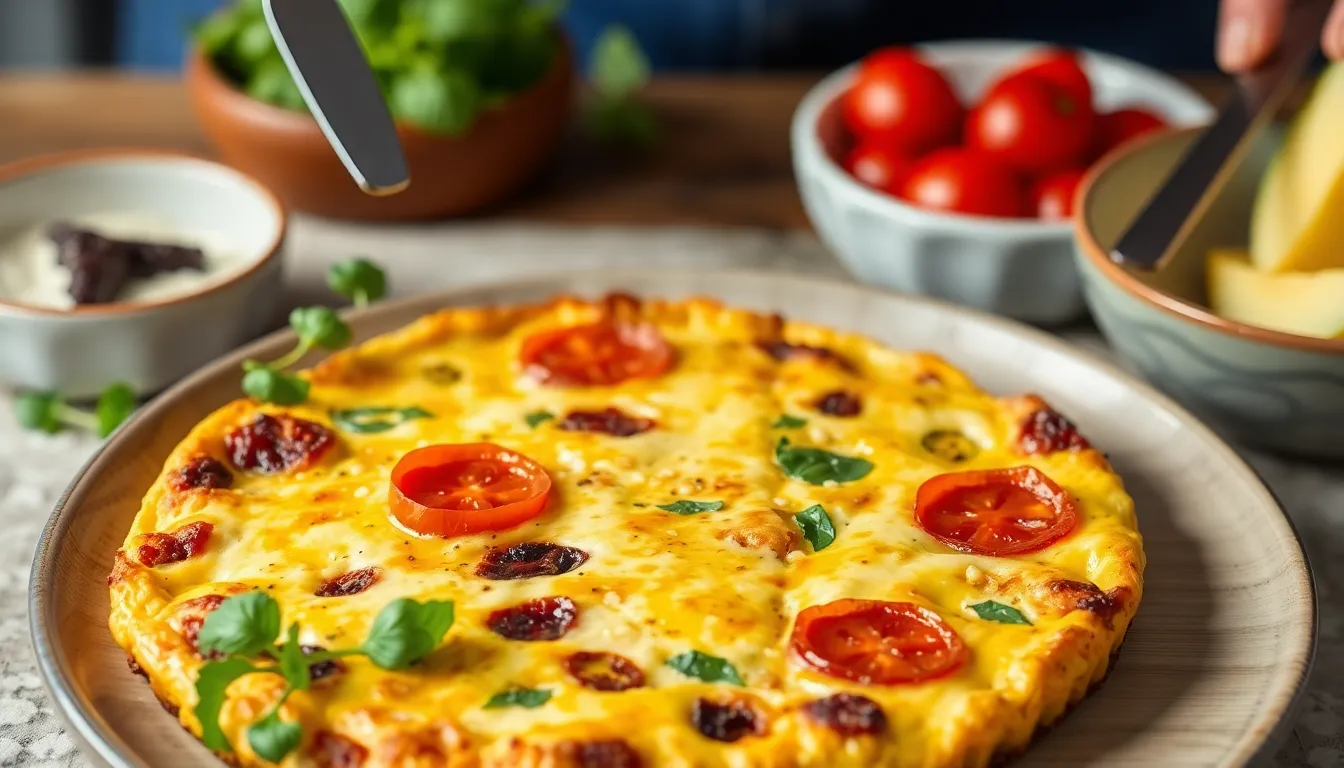
Mastering Frittata: Your Guide to the Versatile Italian Egg Dish
The culinary landscape of Italy is rich with dishes that embody simplicity, fresh ingredients, and heartwarming flavors. Among these, the frittata stands out as a true testament to versatility and resourcefulness. More than just an egg dish, a frittata is an open canvas for culinary creativity, a practical solution for any meal, and a delicious way to enjoy the essence of Italian home cooking. Whether you're a seasoned chef or a kitchen novice, mastering the frittata is a rewarding journey that promises countless delicious returns.
Often described as an open-faced omelet, a crustless quiche, or a cousin to the Spanish tortilla, the frittata holds a unique place in the global egg-dish family. Its appeal lies in its straightforward preparation, its adaptability to a myriad of ingredients, and its ability to effortlessly transition from a humble breakfast to an elegant dinner, a light lunch, or even a picnic showstopper. If you're looking for a dish that is both impressive and unfussy, the frittata is your answer.
What is a Frittata? Unpacking the Italian Culinary Gem
At its core, a frittata is an Italian egg-based dish prepared by whisking eggs with a diverse range of fillings and then cooking the mixture slowly in a skillet on the stovetop before finishing it under a broiler or in the oven. This two-stage cooking process is key to achieving its signature golden, set top and tender, custard-like interior.
The term "frittata" itself is deeply rooted in its preparation method, deriving from the Italian verb friggere, meaning "to fry." This etymology reflects its traditional cooking in butter or olive oil, a practice that dates back centuries. While the word "frittata" first appeared in Italian culinary texts around the 16th century, its origins as a staple of Italian home cooking stretch back further, evolving as a resourceful "peasant dish" designed to utilize pantry leftovers and seasonal produce. This emphasis on minimal waste and fresh, local ingredients underscores broader principles of Italian cuisine. To learn more about its fascinating journey, dive into From Peasant Dish to Picnic Staple: The Evolution of Frittata.
What truly defines a frittata is its generous ratio of fillings to eggs—typically around 2 cups of add-ins per 6 eggs—creating a substantial, satisfying dish that can serve multiple people. Unlike many individual egg preparations, a frittata is designed to be shared and can be enjoyed hot, warm, or even at room temperature, making it incredibly practical for any occasion. Common fillings often include hearty items like potatoes, onions, spinach, or even leftover pasta, contributing to its rich texture and depth of flavor. In Italian culture, frittatas extend beyond main meals, frequently sliced and served as convenient snacks, antipasti, or additions to a picnic spread.
Frittata vs. Its Egg-Based Cousins: A Delicious Distinction
While the frittata shares similarities with other popular egg dishes, it possesses distinct characteristics that set it apart. Understanding these differences is key to appreciating its unique charm:
- Frittata vs. Omelet: This is perhaps the most common comparison. A French omelet is typically folded around its fillings, cooked quickly on the stovetop to a soft, often slightly runny consistency, and served as an individual portion. In contrast, a frittata incorporates ingredients directly into the whisked eggs, is cooked slowly, and finished in the oven or under a broiler for a firmer, set texture. It's designed to be thicker, more substantial, and to serve multiple people. The distinction is so significant that it warrants its own discussion in Frittata vs. Omelet: Unpacking the Italian Egg Dish Difference.
- Frittata vs. Spanish Tortilla Española: The Spanish tortilla is another thick, egg-based dish, often featuring potatoes and onions as its primary fillings. While both are cooked in a pan, the Spanish tortilla is traditionally flipped to cook both sides on the stovetop. A frittata, however, often features a broader range of fillings beyond just potatoes and onions and is characteristically finished by baking or broiling to achieve its golden top, rather than flipping.
- Frittata vs. Quiche: The main differentiating factor here is the crust. A quiche is essentially a savory custard baked in a pastry crust, offering a distinct textural contrast. A frittata, on the other hand, is gloriously crustless, making it a lighter, often gluten-free alternative that focuses purely on the custardy egg and flavorful fillings.
Crafting the Perfect Frittata: Tips and Techniques for Success
Don't be intimidated by the idea of making a frittata; it's surprisingly simple and incredibly forgiving. With a few key techniques, you'll be whipping up flawless frittatas in no time. The true beauty of a frittata lies in its adaptability, allowing you to use practically any ingredient you have on hand.
Choosing Your Ingredients for an Exceptional Frittata
- The Eggs: Always start with fresh, good-quality eggs. For a fluffier frittata, whisk them thoroughly until slightly frothy. A splash of milk, cream, or even water can add a touch of tenderness. Remember to season your eggs generously with salt and pepper before mixing in your other ingredients.
- The Fillings: This is where your creativity shines. Think fresh vegetables, savory cheeses, aromatic herbs, cooked meats, or seafood. A crucial tip is to always pre-cook any dense vegetables (like potatoes, onions, or bell peppers) until tender, and ensure they are well-drained of any excess moisture to prevent a watery frittata. Lightly sautéing greens like spinach or kale will also release their water content and intensify their flavor.
- The Cheese: Harder cheeses like Parmesan, Pecorino Romano, or Gruyère melt beautifully and add a rich, savory depth. Softer cheeses like goat cheese or feta can be crumbled in for a tangy burst of flavor.
The Ideal Pan and Cooking Process
- Choose Your Pan Wisely: An oven-safe, non-stick skillet or a well-seasoned cast-iron pan (typically 8-10 inches for 6-8 eggs) is essential. The pan should be able to go directly from the stovetop into the oven or under the broiler.
- Prepare Your Fillings: Sauté your chosen vegetables, meats, or seafood in a little olive oil or butter in your skillet until tender and flavorful. Spread them evenly across the bottom of the pan.
- Combine Eggs and Fillings: Pour your whisked and seasoned eggs over the pre-cooked fillings in the skillet. Gently stir to ensure the fillings are evenly distributed within the egg mixture.
- Stovetop Start: Cook the frittata on the stovetop over medium-low heat for about 5-8 minutes, or until the edges begin to set and pull away from the sides of the pan, but the center is still visibly liquid.
- Oven Finish: Transfer the skillet to a preheated oven (typically 350-375°F / 175-190°C) or under a hot broiler. If using a broiler, keep a close eye on it, as it cooks very quickly. Bake for another 8-15 minutes, or broil for 2-4 minutes, until the frittata is puffed, golden brown on top, and set in the center (it should have a slight jiggle, but not be liquid).
- Rest and Serve: Let the frittata rest in the pan for a few minutes before slicing. This allows it to set completely and makes for easier removal. Serve warm or at room temperature.
Pro Tip: Don't overcrowd your frittata with too many fillings. While the high filling-to-egg ratio is characteristic, striking a balance ensures the eggs can properly bind everything together and achieve that desired custard-like texture.
Endless Frittata Combinations: Inspiration for Every Palate
The beauty of the frittata lies in its infinite possibilities. It's the perfect vehicle for seasonal produce, pantry staples, and even last night's leftovers. Here are just a few ideas to spark your culinary imagination:
- Vegetarian Delights:
- Spinach & Feta: A classic pairing, especially with a touch of dill or oregano.
- Mushroom & Thyme: Earthy mushrooms beautifully complemented by aromatic thyme.
- Roasted Red Pepper & Goat Cheese: Sweet peppers and tangy goat cheese create a vibrant flavor profile.
- Zucchini & Parmesan: Simple, elegant, and perfect for summer zucchini season.
- Hearty Options:
- Ham & Cheddar: A comforting, breakfast-inspired combination.
- Sausage & Bell Pepper: A robust and flavorful choice, great for brunch.
- Smoked Salmon & Dill: For a touch of elegance, perfect for special occasions.
- Shrimp & Asparagus: A light yet satisfying option, ideal for spring.
- Italian-Inspired Variations:
- Frittata di Pasta: A Roman specialty utilizing leftover spaghetti or other pasta, often with cheese and sometimes cured meats.
- Potato & Onion: A nod to its Spanish cousin, but with the distinct frittata finish, perhaps with rosemary.
- Liguria Style: Emphasizing fresh herbs, often with seasonal vegetables or seafood from the coast.
Think seasonally! Asparagus and peas in spring, zucchini and tomatoes in summer, mushrooms and squash in fall, and root vegetables in winter. The frittata is truly a dish for all seasons and all tastes.
Conclusion
The frittata is far more than just a simple egg dish; it's a culinary philosophy embodied in a single, versatile pan. From its humble origins as a resourceful peasant meal to its current status as a globally cherished staple, the frittata continues to win hearts with its ease of preparation, boundless adaptability, and delicious simplicity. Whether you're seeking a quick weeknight meal, an impressive brunch centerpiece, or a convenient grab-and-go snack, the frittata delivers. So, embrace the spirit of Italian home cooking, experiment with your favorite fillings, and discover the joy of mastering this truly magnificent Italian egg dish.
