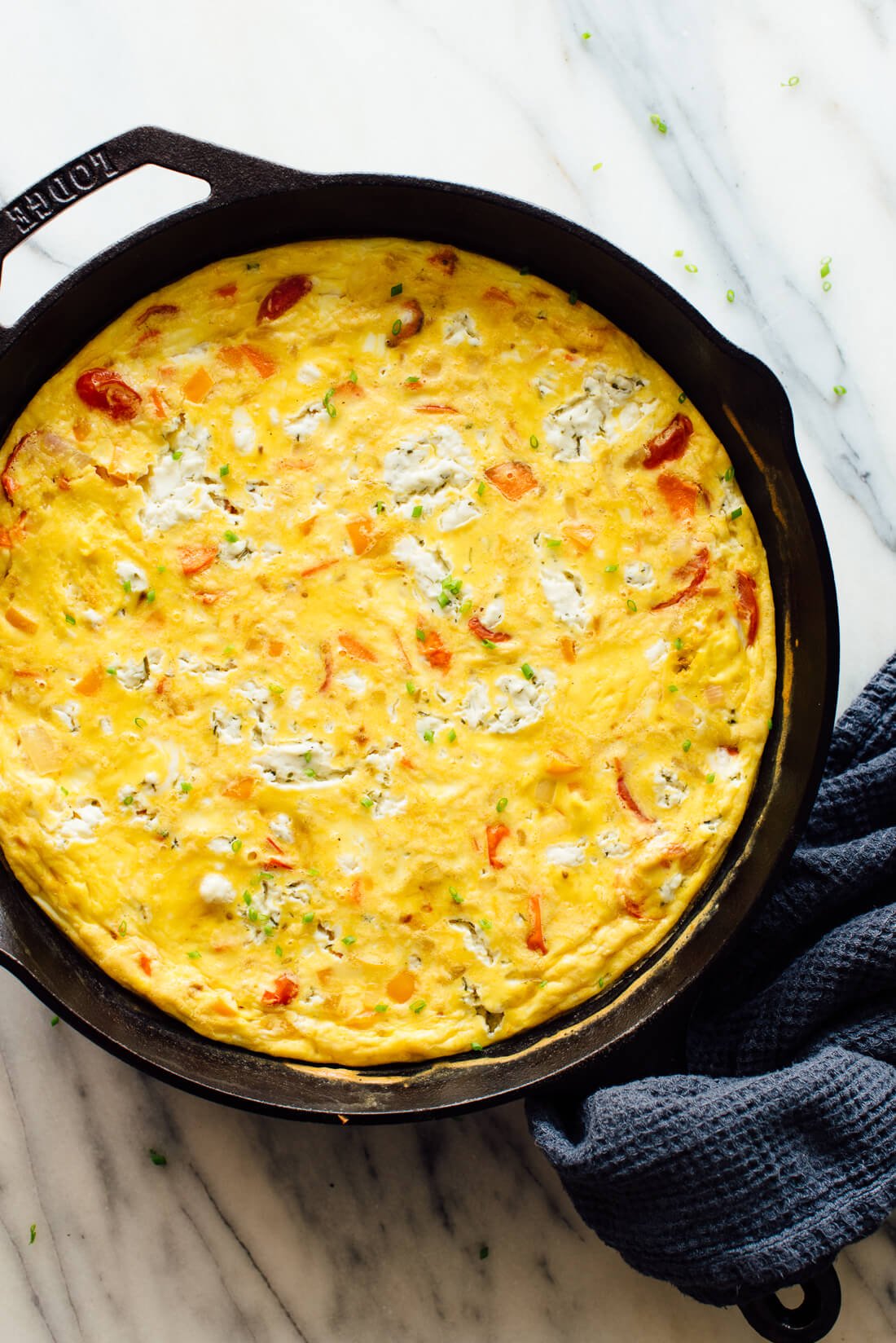
From Humble Beginnings to Global Appeal: The Enduring Legacy of Frittata
Once a resourceful solution for hungry Italian peasants, the frittata has transcended its rustic roots to become a beloved culinary staple enjoyed worldwide. This versatile Italian egg dish, often described as an open-faced omelet or a crustless quiche, is celebrated for its ease of preparation, adaptability, and delicious flavor. Whether served hot for a hearty dinner, warm for a casual lunch, or at room temperature as an elegant picnic contribution, the frittata embodies the spirit of practical Italian cooking at its best. But how did this simple combination of eggs and whatever was on hand evolve into a dish celebrated from bustling trattorias to home kitchens across continents? Let's delve into the fascinating journey of the frittata.
The Humble Origins of Frittata: A Culinary History Rooted in Resourcefulness
The story of the frittata begins in the heart of Italian home cooking, born out of necessity and a deep-seated respect for ingredients. The very name of the dish, frittata, offers a clue to its ancient lineage, deriving from the Italian verb friggere, meaning "to fry." This term, whose roots trace back to the Latin frigere, reflects the dish's fundamental preparation method: frying eggs in a pan. While egg-based preparations have existed for millennia, the specific term "frittata" first appears in Italian culinary texts around the 16th century, a period of burgeoning gastronomic documentation exemplified by works like Bartolomeo Scappi's Opera.
At its core, the frittata was, and in many ways still is, a quintessential "peasant dish." It originated as a clever way for rural households to utilize pantry leftovers, embodying the philosophy of cucina povera – "poor cooking" – which emphasizes resourcefulness, minimal waste, and maximizing flavor from simple, readily available ingredients. This tradition meant that no scrap went to waste; a handful of leftover pasta, a few wilted vegetables, or a small piece of cheese could all find new life suspended in a creamy egg custard. This ethos explains the frittata's characteristic high ratio of fillings to eggs – typically around 2 cups of add-ins per 6 eggs – which creates a substantial, satisfying meal without an excessive amount of costly eggs. Early frittatas often included hearty items like potatoes, onions, spinach, or even cooked pasta, ensuring a filling and nutritious meal for the family.
Distinguishing the Frittata: More Than Just an Omelet
While often compared to other egg dishes, the frittata possesses distinct characteristics that set it apart from its international cousins. Understanding these differences is key to appreciating its unique culinary identity.
- Versus the French Omelet: The most common comparison is with the French omelet. However, these two are fundamentally different. A classic French omelet is a delicate affair, cooked quickly over high heat, often folded around its fillings, and served immediately to maintain its soft, custardy interior. The frittata, in contrast, is an open-faced dish where ingredients are incorporated directly into the whisked eggs before cooking. It begins its journey slowly on the stovetop, allowing the bottom to set, then finishes under a broiler or in the oven to achieve a beautifully golden, set top. This slower, two-stage cooking process results in a thicker, more substantial dish designed to serve multiple people and be enjoyed at various temperatures. For a deeper dive into these differences, explore Frittata vs. Omelet: Unpacking the Italian Egg Dish Difference.
- Versus the Spanish Tortilla Española: Another common point of comparison is the Spanish tortilla española. While both are hearty, egg-based dishes that often incorporate potatoes and onions, their preparation and range of fillings differ. The tortilla española is typically a thick, dense disk, fried entirely on the stovetop and then often inverted to cook both sides, resembling a thick "cake" of eggs and potatoes. The frittata, while thick, leans more into an open-faced style, often leveraging oven or broiler finishing, and welcomes a much broader spectrum of ingredients beyond potatoes and onions, making it inherently more adaptable to whatever is seasonal or available.
The frittata's unique identity lies in its open-faced nature, its slow initial cook, and its finishing under the broiler or in the oven. This method ensures an even cook throughout, a firm yet tender texture, and that appealing golden-brown top. It's a dish built for sharing, for versatility, and for enjoying beyond the breakfast table.
The Versatility Factor: Frittata's Rise to Culinary Stardom
What truly propelled the frittata from a humble peasant meal to a global culinary darling is its unparalleled versatility. It’s a blank canvas for culinary creativity, adapting effortlessly to almost any ingredient combination and dietary preference. This adaptability resonates deeply with the core principles of Italian cuisine – a focus on fresh, seasonal ingredients and minimal waste.
The frittata welcomes a vast array of fillings:
- Vegetables: From classic spinach, onions, and potatoes to asparagus, zucchini, bell peppers, mushrooms, or even roasted root vegetables. Seasonal produce shines particularly well here.
- Cheeses: Hard Italian cheeses like Parmesan or Pecorino Romano add depth, while softer cheeses like ricotta, goat cheese, or mozzarella can create pockets of creamy indulgence.
- Herbs: Fresh basil, parsley, chives, oregano, or thyme elevate the flavor profile with aromatic notes.
- Meats & Seafood: Cubed pancetta, crispy bacon, cooked sausage, flaked salmon, shrimp, or even leftover shredded chicken can transform a frittata into a substantial main course.
This chameleon-like quality has also led to fascinating regional variations within Italy. The Roman frittata di pasta ingeniously incorporates leftover spaghetti, giving new life to a previous night's meal. In Liguria, frittatas often feature fresh herbs from the fertile hills and seafood from the azure coast, reflecting the region's rich culinary traditions. These variations underscore the dish's fundamental ability to reflect local flavors and available ingredients, making each frittata a unique expression of its origin.
Beyond its infinite ingredient possibilities, the frittata's appeal also lies in its function. It's not just a meal; it's a practical solution for countless occasions. Sliced into wedges, it becomes an ideal item for picnics, a satisfying snack, or an elegant antipasto. Its protein-rich nature makes it a fantastic option for various dietary needs, easily made vegetarian by omitting meat, or even gluten-free if pasta isn't included. This broad appeal has solidified its place not just in Italian culture, but in kitchens and eateries around the world.
Mastering the Frittata: Tips for the Home Cook
For many home cooks, the idea of preparing a frittata can seem daunting, conjuring images of intricate techniques. However, the truth is, frittatas are remarkably forgiving and surprisingly simple to master. As Allrecipes aptly puts it, once you master this versatile dish, you'll be whipping it up for countless meals. The key is understanding a few fundamental principles.
Essential Steps for a Perfect Frittata:
- Prep Your Fillings: This is crucial. Denser vegetables like potatoes, onions, or asparagus should be pre-cooked until tender before being added to the eggs. Meat fillings should also be cooked through. This ensures all ingredients are properly done and flavorful without overcooking the eggs. Sautéing aromatics like onions and garlic in the pan before adding eggs also builds a strong flavor base.
- Choose the Right Pan: An oven-safe, non-stick skillet (ideally 8-10 inches) is your best friend. This allows for smooth transition from stovetop to oven and easy removal.
- The Egg Mixture: Whisk 6-8 large eggs with a splash of milk or cream (optional, for extra richness), salt, and pepper. Don't over-whisk; you want some texture. Incorporate your pre-cooked, cooled fillings directly into the egg mixture, ensuring an even distribution.
- Stovetop Start: Heat a little olive oil or butter in your skillet over medium-low heat. Pour in the egg mixture. Let it cook undisturbed for 5-7 minutes. As the edges set, gently push the cooked egg towards the center with a spatula, allowing uncooked egg to flow underneath. Continue this until the frittata is mostly set around the edges but still a bit liquid in the center. This slow start is vital for achieving that desirable custard-like texture.
- Oven Finish: Transfer the skillet to a preheated oven (typically 350-375°F / 175-190°C) or under the broiler. This step ensures the top sets and turns a beautiful golden brown without burning the bottom. Cooking time varies, but usually 5-10 minutes in the oven or 2-4 minutes under the broiler is sufficient. The frittata is done when the center is set and no longer jiggly.
- Rest and Serve: Let the frittata rest in the pan for a few minutes before slicing. This allows it to firm up slightly and makes for cleaner cuts.
One of the "tricky bits" people sometimes worry about is cooking time, but with practice, gauging the doneness becomes second nature. The goal is a delicate, custard-like texture that isn't rubbery. The ideal frittata is fluffy, rich, and bursting with the flavors of its carefully chosen fillings. For more detailed guidance and inspiration, be sure to check out Mastering Frittata: Your Guide to the Versatile Italian Egg Dish.
Conclusion
The journey of the frittata from a simple, resource-driven peasant dish to a beloved global picnic staple is a testament to its timeless appeal. Its ability to transform humble ingredients into a satisfying, flavorful meal, its accommodating nature for any palate or dietary need, and its easy transition from stovetop to oven embody the very best of Italian culinary tradition. More than just an egg dish, the frittata is a symbol of resourcefulness, versatility, and the enduring power of simple, honest cooking. So, the next time you're looking for a quick breakfast, an elegant lunch, or a unique dinner idea, remember the frittata – a culinary classic waiting to be customized by your imagination.
